
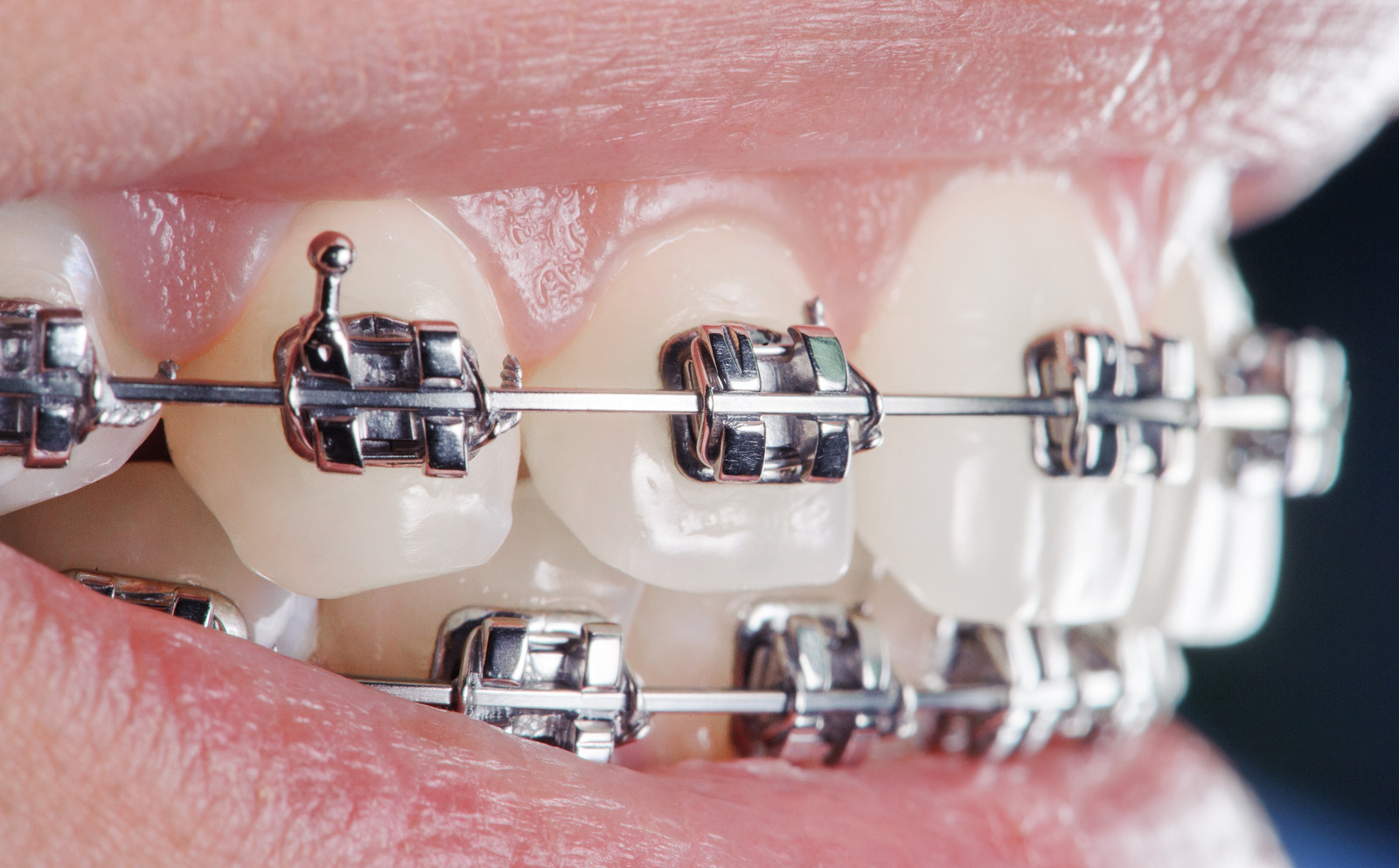
Your teeth can shift even after braces treatment is complete. This is because your jawbone and gum tissues take time to shift into a new position. So, until they shift into a new position, they keep pushing your teeth back to their previous position. To prevent your teeth from shifting back, orthodontists recommend wearing a retainer regularly. They help maintain your teeth in the correct position.
This guide covers why teeth move, what retainers do, and how to spot movement early. We will also share good habits to protect your results from reversing. After reading this, you will know exactly what to do. It will help you find practical facts and tips to maintain a balanced smile.
Why Do Your Teeth Move After Braces?
The tissues (periodontal ligament) that hold teeth in place need time to adapt after braces are removed. Because natural forces keep pushing them back, chewing, swallowing, tongue pressure, and lip pressure also add small forces that can push teeth back.
The AAO says teeth can keep moving throughout your life, so long-term retention matters. Removing braces marks the end of active treatment. But retention still matters because the tissues supporting your teeth keep adapting. The lower front teeth move first because they are small, crowd easily, and sit under steady tongue pressure.
What Is Orthodontic Relapse?
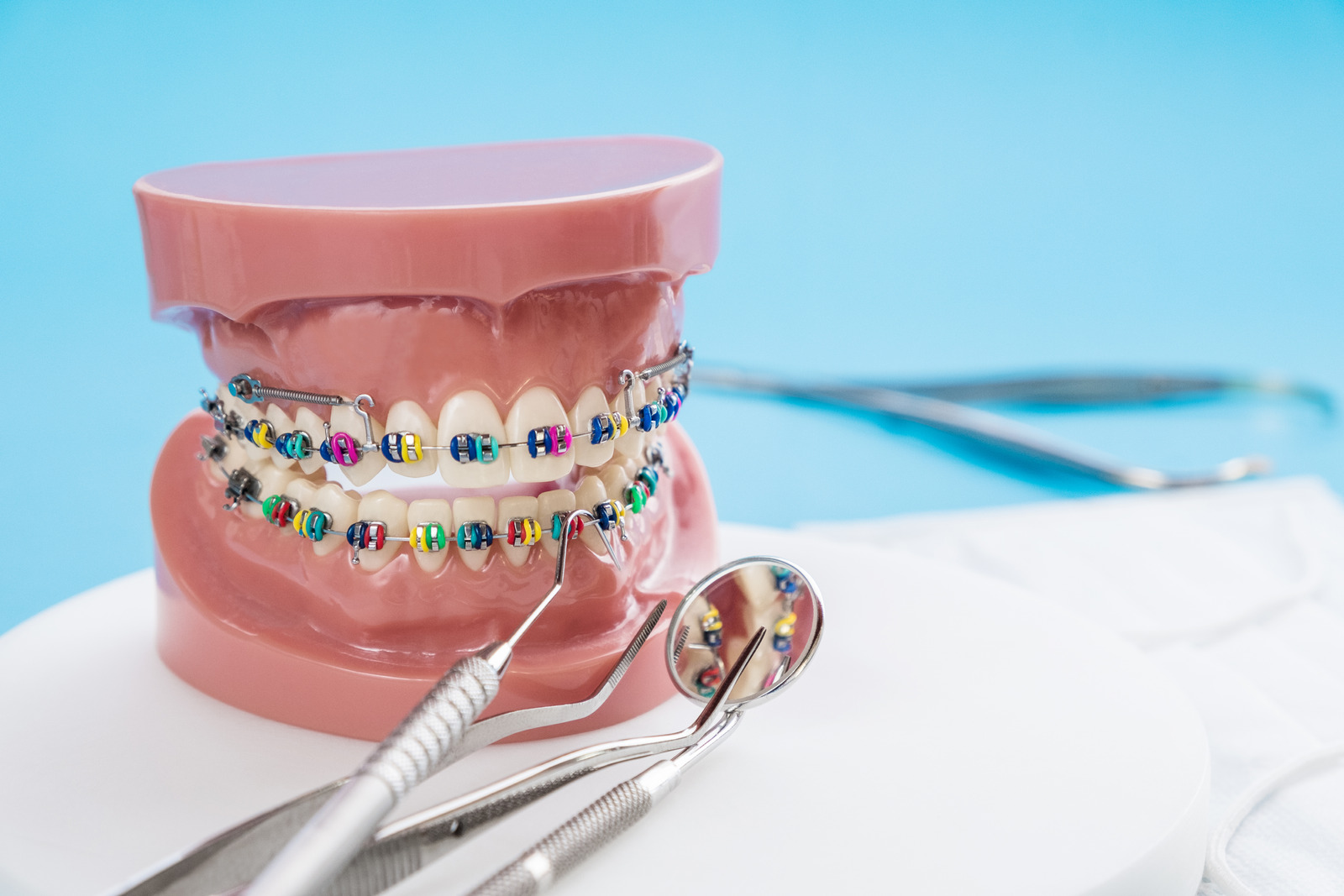
Orthodontic relapse means teeth gradually shift back to their old positions after treatment ends. It usually starts with small changes, such as slight crowding of the lower front teeth. Even minor changes in tooth position can be frustrating. That’s why wearing a retainer as prescribed reduces the risk of relapse.
How Do Retainers Help Keep Teeth Straight?
Retainers help keep teeth straight by holding them in place while the bone and gums firm up. At first, you need to wear them full time, but only for a few months. After that, you usually need them at night. Fixed retainers are thin wires that are usually bonded to the back of your teeth. Removable ones come in clear trays or wire-and-plastic designs. Both types of retainers work well, but only if they are used correctly.
What Happens If You Do Not Wear Your Retainer?
Retainers hold your teeth in their new position after braces. If you don’t wear them, your teeth can shift back to their original position. It needs an immediate check to stop or correct it. The shift can be really surprising; you may even see a visible change within weeks. Early signs can include a tight feeling or a change in your bite. If you leave it untreated, you may develop wider gaps or crowding.
This happens especially in the lower front teeth. The average treatment timeline is about 22 months, and losing that progress can feel discouraging. If you notice them early, you can correct them by wearing retainers. But as these gaps become more visible, you may need regular orthodontic treatment to fix them.
Can Wisdom Teeth Affect Your Teeth to Shift?
Wisdom teeth are not a proven cause of shifting. But they may add pressure in some mouths. Many experts agree that natural aging and skipped retainer wear matter more. Still, if your wisdom teeth are impacted or crowded, they can press on nearby teeth. So, ask your dentist to check them with X-rays. Removal depends on your mouth. It is not a rule for everyone.
What Are the Early Signs Your Teeth Are Shifting?
You may see various signs that warn you about relapse. To help you, we have listed a few major ones here:
- The first sign that most people feel is retainer tightness. You’ll feel that your retainer isn’t fitting smoothly
- Another common sign is overlapped or crooked teeth. You can even notice this small change in the mirror or in photos.
- Small gaps can also start appearing. You may notice this if your floss catches in new places.
- Bite issues can be another sign, and you’ll feel them when you chew.
If you notice any of these issues, call your dentist right away. Early action can fix them quickly. It saves time and money.
Can an Orthodontist Correct Your Shifted Teeth?
An orthodontist can usually correct shifted teeth, and minor cases often take less time than the original treatment. Options include a modified retainer for slight movement, clear aligners, or braces again for larger changes. After a quick exam, your orthodontist will recommend the simplest plan. Small shifts often need only a few months of treatment. Notably, the sooner you act, the easier the correction tends to be.
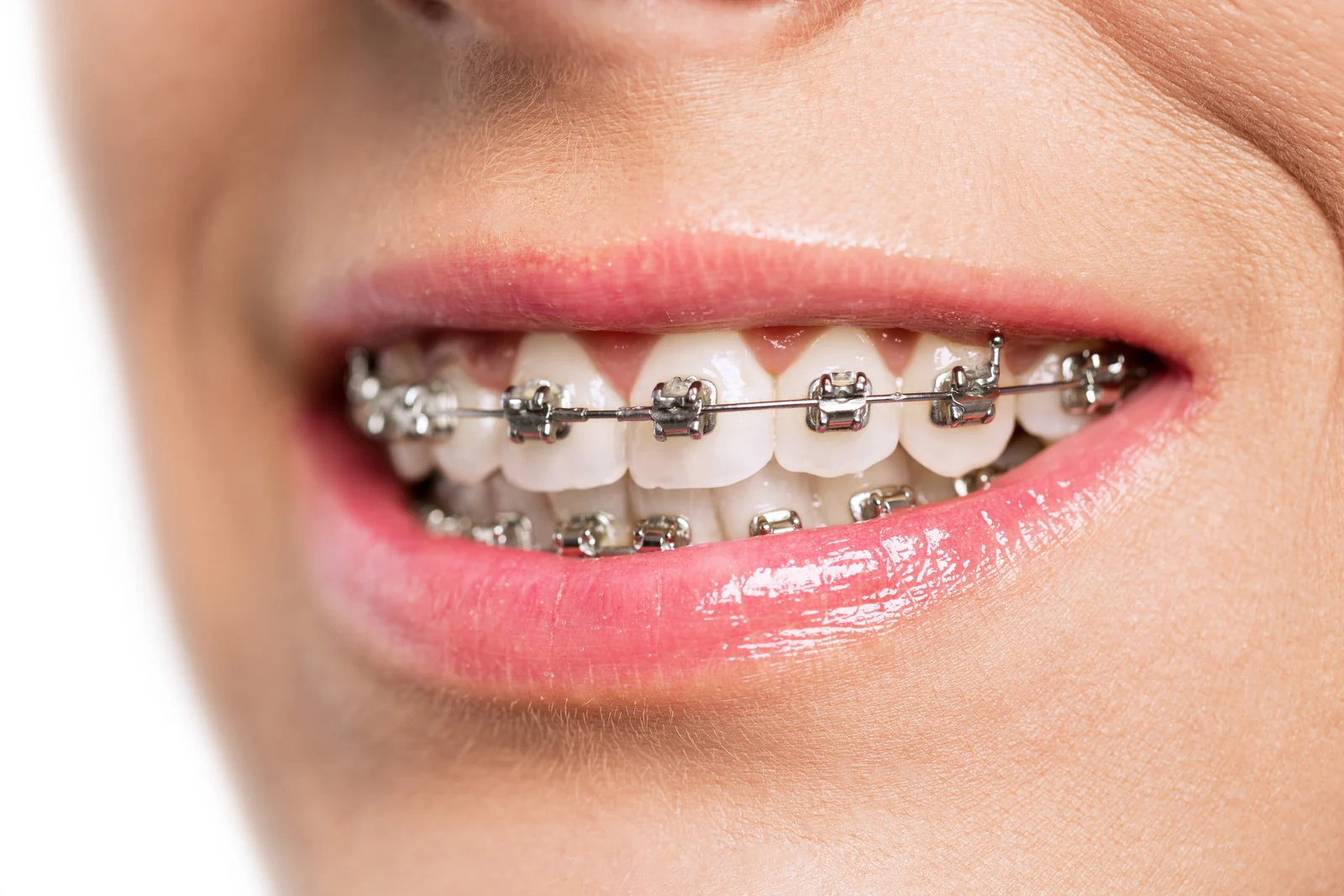
How Can You Protect Your Results After Braces?
The table below links common causes of shifting to simple fixes.
Cause | What helps |
| Skipped retainer wear | Ensure you start following your exact wear schedule |
| Teeth grinding at night | To prevent this, you should use a custom nightguard |
| Missing permanent tooth | If you have a missing tooth, then replace it with a bridge or implant |
| Gum disease | To fix this problem, make a habit of brushing, flossing, and getting regular checkups |
| Ill-fitting retainer | You should see an orthodontist and never force it |
Also, keep your retainer in its case and away from heat. A warped retainer does not fit properly. If your retainer feels loose, warped, or uncomfortable, ask your orthodontist to check its fit.
Frequently Asked Questions
Can Teeth Shift Years After Braces?
Yes, you can experience this years later, or even decades later. This is because your mouth keeps changing with age. When your jaw changes, it can push your lower front teeth forward.
How Long Should You Wear a Retainer?
You need to wear it full-time for several months at first. After that, you only need to wear it at night. However, your dentist may ask you to wear it only a few nights a week, depending on your teeth’s condition.
Can You Fix Slightly Crooked Teeth Without Braces Again?
Yes, if the problem is slight and you notice it. You can fix it with clear aligners or a modified retainer. But only your dentist can tell you whether it’s mild or needs full treatment.
What Should You Do If Your Retainer No Longer Fits?
If you feel it no longer fits, call your orthodontist. Your orthodontist can recommend another retainer based on your teeth. Don’t force it; you could hurt your teeth or break the appliance.
Final Thoughts
Teeth can shift because the surrounding tissues take longer to settle than the treatment itself. Natural forces and tissues can pull them back to their original position. But wearing a retainer consistently can help prevent this problem. You can usually see this relapse within a few weeks or, at most, a few months. If gaps become visible, only your orthodontist can fix them with proper treatment if your teeth are moving. If your teeth are also moving back, we recommend Half Moon Orthodontics. You’ll have a great experience with them.

Dr. Ronak Mody
Dr. Ronak Mody is committed to providing exceptional orthodontic care for patients of all ages. We use the latest technology to create personalized treatment plans with clear aligners, metal braces, and clear braces — all in a fun, comfortable environment.
Book a Free Consult
Half Moon Orthodontics
Smiles to the Moon and Back!
Quality, affordable orthodontic care for the whole family in Lake Forest, CA.
Book Free Consult
Leave a Reply