

You can lose or break your retainer, and your teeth may move back to their old positions in just a few days, so call your orthodontist right away. With early action, you’ll need a simple replacement, while waiting can cause crowding, gaps, or a second round of treatment. However, don’t worry, this is a normal and fixable issue.
In this guide, we will tell you what to do, what not to do, and how replacements work. We also have a few simple tips to keep your next retainer safe and secure so your results stay secure. The earlier, the better, and the smaller the steps, the better. Let us have a walkthrough.
Why Is Wearing a Retainer Important After Braces?
Post-brace retainers are crucial as they keep your teeth in place while the bone and gums adjust to the new position. Without them, ligaments and bone can try to pull teeth back (relapse). The American Association of Orthodontists (AAO) states that your teeth can shift position throughout your life, and retainers maintain your results. The AAO also finds that average treatment takes around 22 months, so skipping retainer wear can undo a lot of hard work.

What Should You Do If You Lose Your Retainer?
If your retainer falls out, contact your orthodontist soon, as teeth can begin to shift within days. While waiting, try these:
- Look at the common hiding places like bags, cars, pockets and lunch trays.
- Call your orthodontist’s office and make an appointment for a replacement visit.
- Test out an older spare retainer to see if it slips on easily, and wear it if it fits comfortably.
- Keep up your normal brushing and flossing.
Thankfully, your orthodontist can use your previous scans or molds to create a new one in a shorter time.
What Should You Do If Your Retainer Cracks or Breaks?
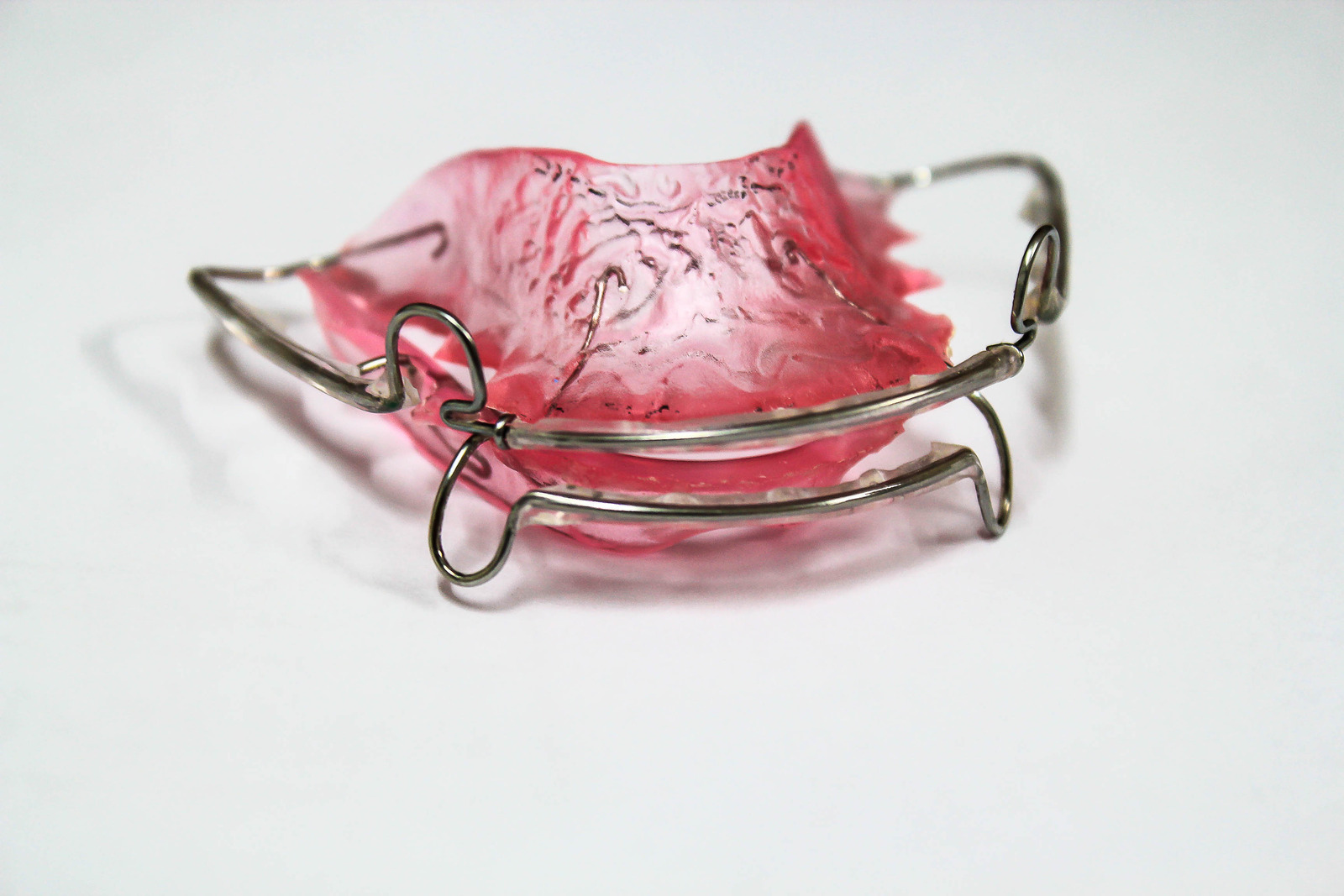
If your retainer cracks or breaks, do not wear it; save all pieces and contact your orthodontist. Forcing a damaged retainer into your mouth can push your teeth the wrong way and hurt your gums. Also, avoid repairing with superglue or household glue, as these chemicals can be harmful in the mouth and will affect the fit. Still, don’t worry at all since most damage gets fixed with a quick visit. Use the table below to learn the treatment for common problems.
Problem | Best first step |
| Cracked or warped tray | Stop wearing it and bring it in |
| Broken wire | Do not bend or force it; call your office |
| Loose fixed retainer | Call right away and avoid pulling on it |
| Sharp edge | Cover it with orthodontic wax and call |
Can You Wear a Damaged Retainer?
You should not wear a damaged retainer, especially if it has a broken wire, warping, or an irregular shape. Sharp edges may irritate your tongue, lips and gums, and an improper fit can cause teeth to move in the wrong direction. If you have minor damage and the retainer still feels good, get your orthodontist’s opinion before using it. If it’s damaged, it is okay to skip it for a day or two.
What Happens If You Go Several Days Without a Retainer?
A few days without a retainer may cause your teeth to move a little, and that movement could make your retainer feel tight. Minor spacing or rotation changes can occur within days. Importantly, soon after braces are removed, teeth tend to move quickly. In the meantime, your bite may feel a bit different. The longer you wait, the more you risk moving, and bigger changes might require new braces or aligners. So, get an appointment right away if you see a problem.
Can You Use an Old Retainer as a Replacement?
An old retainer can work temporarily if you can wear it comfortably without pinching or forcing. Try it gently once. If it comes on easily, wear it to keep your teeth aligned until your orthodontist can see you. If it feels tight, stop immediately, though. Old retainers may no longer fit your teeth, and forcing them can cause pain or movement.
How Does an Orthodontist Replace a Lost Retainer?
Your orthodontist will examine your teeth, take a new scan or impression, and make a new retainer for your bite. If the records are still on file, this can be done more quickly. After the exam, the team will tell you whether a standard replacement is enough. If there has been a large amount of movement, you may start with a short series of braces or aligners. Most patients know what is going to happen at the end of the visit.
How Can You Prevent Retainer Damage or Loss?
You can avoid retainer damage or loss by always storing it in its case, keeping it away from heat, and never wrapping it in a napkin. Hot water, parked cars, or dishwashers can warp the plastic. Also, pets may like to play with the retainers, so make sure they are out of their reach. Clean the retainer each day with cool water and a soft brush, and mark the case with your name and number. An extra safety measure is to have a spare, if your orthodontist offers one.
FAQs
How Quickly Can Teeth Shift Without a Retainer?
Teeth can move back within days with no retainer, but the speed varies by person. Such risk is highest soon after braces come off, when bone and gums are still adjusting. Over weeks and months, the movement becomes easier to see and feel.
Can You Get a Replacement Retainer Without Another Scan?
Sometimes, your orthodontist can make a replacement retainer without another scan if they still have your digital records or models. Even so, teeth may have moved since then, so a fresh scan is a better fit. Your orthodontist will decide after a full checkup.
Should You Wear a Cracked Retainer?
Not at all! Its sharp edges can hurt your mouth, and a warped shape can move teeth in the wrong way. Rather, call your orthodontist. Save the pieces, as they help with a repair or replacement.
Will You Need Braces Again If You Lose Your Retainer?
You may not need braces again after losing a retainer, especially if you replace it quickly. A new retainer or a short aligner series is enough for small shifts. Larger shifts may call for braces, so speed matters.
Final Thoughts
If you lose or break your retainer, your teeth may move within days, so you must act quickly. Do not wear a damaged retainer; never glue it, save the pieces, and contact your orthodontist as soon as possible. A spare may work if it fits, and your orthodontist can take a new scan. You can prevent most problems with good storage practices. When you lose or break your retainer, Half Moon Orthodontics helps you get back on track. Schedule a consultation today to get your results guaranteed.

Dr. Ronak Mody
Dr. Ronak Mody is committed to providing exceptional orthodontic care for patients of all ages. We use the latest technology to create personalized treatment plans with clear aligners, metal braces, and clear braces — all in a fun, comfortable environment.
Book a Free Consult
Half Moon Orthodontics
Smiles to the Moon and Back!
Quality, affordable orthodontic care for the whole family in Lake Forest, CA.
Book Free Consult
Leave a Reply