
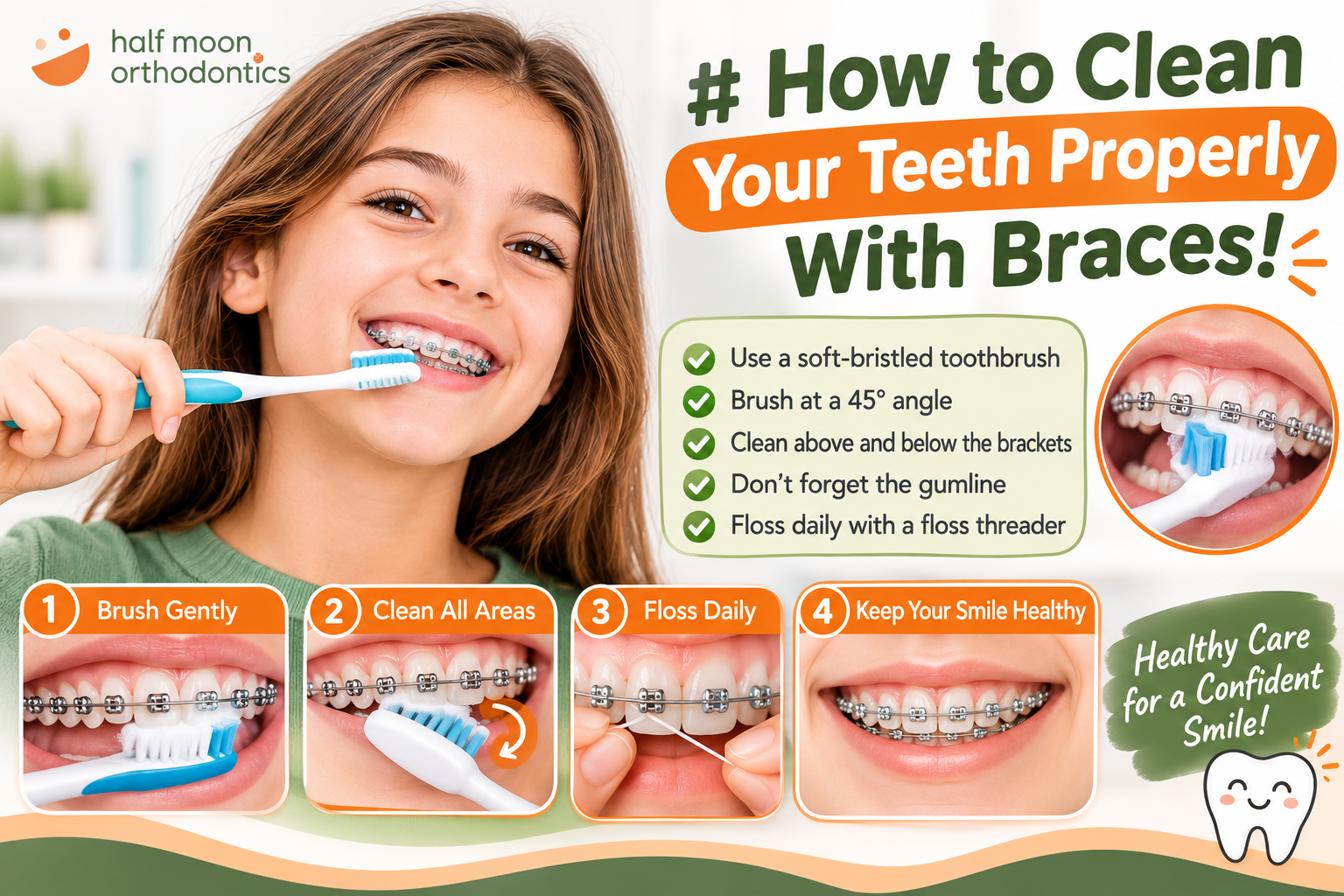
Brush your teeth for two to three minutes after each meal using a gentle or electric toothbrush if you have braces. Make sure you clean around each bracket and wire, and floss daily with a water flosser or threader. With braces, food can get stuck easily, so a quick brush isn’t enough.
In this article, we explain why oral hygiene is important and how to brush and floss properly. We also explain which tools will be most useful for you. We also cover white spots, harmful foods, stuck food, and dental cleanings. This will help you protect your teeth from the first day to the last. Small daily habits can make a real difference, and the right routine only takes a few extra minutes.
Why Is Oral Hygiene Important During Braces Treatment?
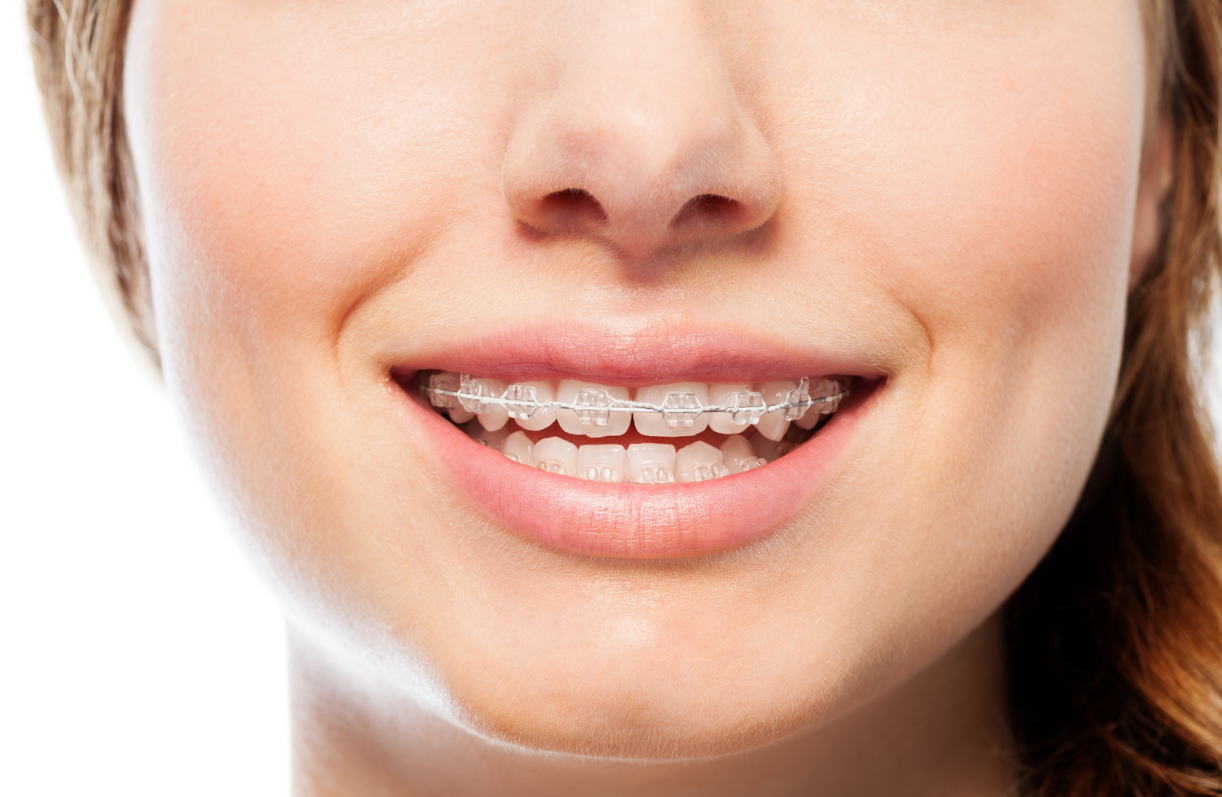
Oral hygiene is essential when you have braces. Brackets and wires trap food and plaque. This can increase your risk of cavities, gum issues, and white spots. Plaque builds quickly around your braces, and a regular toothbrush might miss these areas. This buildup can eventually leave permanent spots on your enamel. These marks may remain even after you remove your braces. Research suggests that up to half of people with braces develop white spots on their teeth. Healthy gums make treatment easier. Swollen or irritated gums might complicate orthodontic care.
How Should You Brush Your Teeth With Braces?
Brush after every meal for two to three minutes. Use a soft-bristled or electric toothbrush and fluoride toothpaste. With braces, you need to put in extra effort to keep your teeth clean. Here is what you need to do:
- Rinse your mouth with plain water to remove food particles.
- Brush your gums in gentle circles while holding your toothbrush at a 45-degree angle to them.
- Angle the bristles down over the brackets and wires, then up from the bottom.
- Brush the tops of your teeth and the inner sides of your tongue.
Take your time brushing because hurrying can leave plaque behind.
How Do You Floss Around Brackets and Wires?
You can floss around your brackets by guiding the floss under the main wire. Clean both sides of each tooth once a day. A floss threader or orthodontic floss can make this much easier. Gently move the floss up and down against each tooth and just below the gum line. Avoid pulling the floss hard against the wire, because it can hurt your gums or bend the wire. It may feel slow at first, but you will get faster with practice.
Which Tools Help Clean Around Braces?
These tools can help you to reach spots a regular toothbrush cannot. The table below shows the comparison.
Tool | Best for | Quick tip |
| Interdental brush | Under the wire and between brackets | Slide it in gently |
| Orthodontic flosser | Between teeth, below the wire | Use once a day |
| Water flosser | Flushing out food and plaque | Add it and do not replace brushing |
Interdental Brushes
You can use interdental brushes to clean tight spaces under the archwire and between brackets. Gently slide a small, nylon-bristled brush under the wire. Then move it around each bracket and along the sides of your teeth.
Orthodontic Flossers
Orthodontic flossers make flossing easier with their built-in threader or stiff end. You can pass floss under the wire in seconds. This makes flossing easier if regular threaders feel awkward.
Water Flossers
You can use a water flosser to remove loose food and plaque with a pressurized stream of water. It helps clean around brackets and wires. They are quick and gentle, making them a useful daily extra. Still, they do not replace brushing and flossing.
How Can You Prevent White Spots Around Brackets?
You can prevent white spots around brackets by removing plaque daily and using fluoride toothpaste. They may appear when plaque acids damage the enamel around the brackets and stay even after your braces have been removed. This is why brushing properly along the gum line is so important. You can also use fluoride mouthwash to protect your teeth. Also try to reduce your sugary foods. If you see any chalky areas, see your orthodontist now.
Which Foods and Drinks Can Increase the Risk of Tooth Decay?
When wearing braces, sugary drinks, sticky candy, and starchy snacks might raise your risk of tooth decay. Soda, sports drinks, and juice contain sugar and acid, which can quickly damage enamel. Sticky and hard foods can also harm your brackets or trap plaque in them.
The American Association of Orthodontists (AAO) suggests avoiding hard, sticky, and chewy food when wearing braces. If you want a treat, rinse your mouth with water and wash your teeth right away.
What Should You Do If Food Gets Stuck in Your Braces?
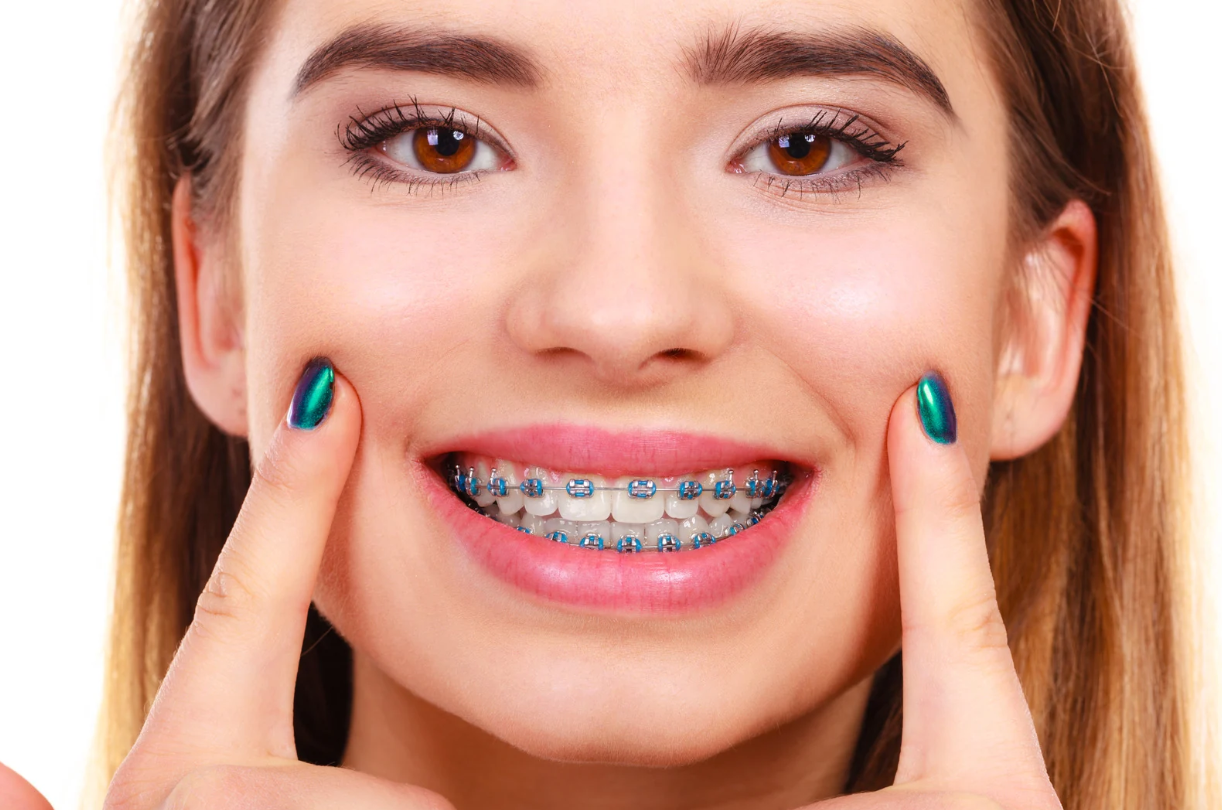
If food gets stuck in your braces, you should rinse your mouth with water first. Then use a gentle brush and floss to remove it. Swishing water hard in your mouth can usually loosen little food particles. After that, use an interdental brush or water flosser to remove any hard food particles. Also avoid toothpicks, pins, and other sharp tools. This can hurt your gums or bend the wires. If food gets stuck, you should see your orthodontist.
When Should You Schedule a Dental Cleaning During Orthodontic Treatment?
You should have a dental cleaning every six months while wearing braces, or sooner if your dentist suggests it. Professional cleanings remove plaque and tartar that you may not see. This often happens when you clean around brackets at home. Your dentist can also spot cavities and gum disease early. Ready to keep your teeth in good health? Book a dental cleaning and keep your braces visits on track.
Frequently Asked Questions
Can You Use an Electric Toothbrush With Braces?
You can use an electric toothbrush while wearing braces. Many orthodontists recommend using them to clean around braces. You can use a soft brush head, move gently, and let the brush do the work.
How Many Times a Day Should You Brush With Braces?
When you wear braces, brush after every meal and snack. This is usually three to four times a day. You should brush for two to three minutes every time. If you can not brush, rinse your mouth with water and bring a travel toothbrush with you.
Can You Use Mouthwash While Wearing Braces?
You can use a fluoride or antimicrobial mouthwash with braces for more protection. You should use it after brushing and flossing, but not in place of both. If your mouth feels dry or sore, you should use a mouthwash without alcohol.
Why Do White Spots Appear After Braces?
White spots may appear after braces. This is because plaque around the brackets weakens the enamel below. When you remove your brackets, you may notice pale spots where plaque built up. Your dentist can also suggest treatment options for any remaining spots.
Final Thoughts
While wearing braces, make sure to clean your teeth every day. Brush for two to three minutes after every meal. Also floss once a day with interdental brushes or a water flosser. Use fluoride toothpaste and avoid sweet, sticky foods. If food gets stuck in your mouth, rinse it out and visit for dental cleanings. These methods can help you avoid cavities, gum disease, and white spots. If you need tips for your braces, Half Moon Orthodontics can help you find the right routine. Schedule your consultation today.

Dr. Ronak Mody
Dr. Ronak Mody is committed to providing exceptional orthodontic care for patients of all ages. We use the latest technology to create personalized treatment plans with clear aligners, metal braces, and clear braces — all in a fun, comfortable environment.
Book a Free Consult
Half Moon Orthodontics
Smiles to the Moon and Back!
Quality, affordable orthodontic care for the whole family in Lake Forest, CA.
Book Free Consult
Leave a Reply